
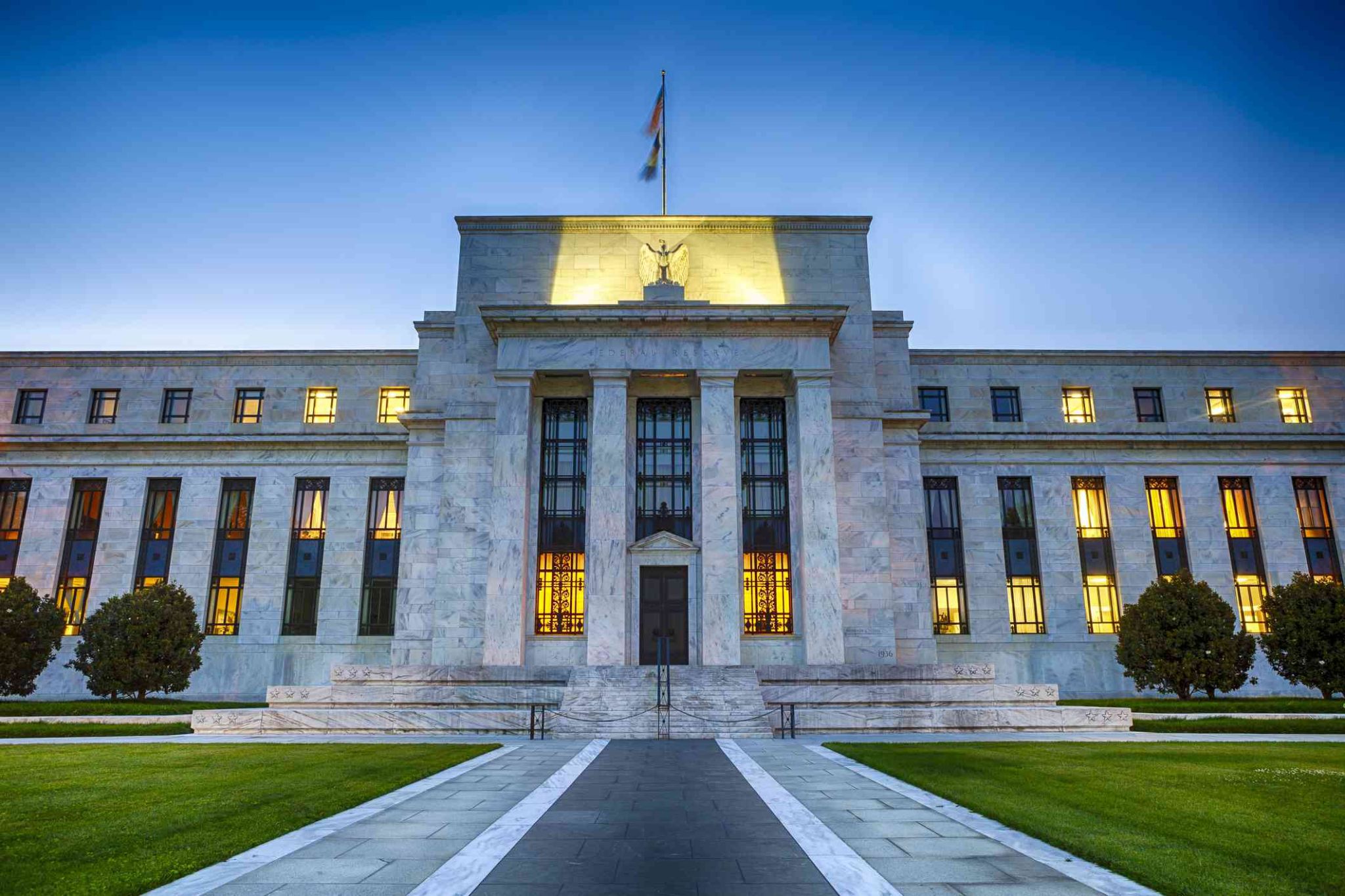
The Federal Reserve turns 113 this year — and its track record is more complicated than most people realize.
From Stability to Inflation
Here’s what the history books often leave out:
- Before 1913, the U.S. had virtually no inflation outside of wartime. The purchasing power of $1 in 1900 was roughly equal to that of $1 in 1800. Since the Fed’s creation, cumulative inflation has exceeded 3,200%.
- Milton Friedman demonstrated it was Fed policy mistakes — not capitalism — that caused the Great Depression. And it was the Fed printing too much money in the ’60s and ’70s that gave us double-digit inflation.
- The bright spot? Paul Volcker tamed inflation in the early ’80s (though at the cost of two recessions), and Alan Greenspan delivered nearly 15 years of exceptional monetary policy from 1985 to 1998.
Then things went sideways again.
QE, Inflation, and the Political Fallout
Excessively low rates from 2000–2005 inflated the housing bubble that became the Great Financial Crisis. The Fed’s response—trillions in Quantitative Easing — set a dangerous precedent.
When Jerome Powell doubled down on QE during COVID AND loosened liquidity rules, M2 grew 42%. The inflation that followed was the worst since the 1970s. And yet, Powell still points to supply chains as the culprit — rarely, if ever, discussing the money supply.
Here’s the part that doesn’t get enough attention:
QE has dramatically worsened wealth inequality and deepened the divide between generations. It’s no coincidence that nearly 2/3 of Americans under 30 now hold a favorable view of socialism—Fed policy has reshaped political attitudes more than at any point in modern history.
Tripling the money supply in 18 years isn’t just an economic event. It’s a political one.
The path forward? Unwind QE. Return to sound, rules-based monetary policy. And bring in leadership willing to make that change.
The Fed can be great again — but it requires an honest reckoning with where the last two decades went wrong.
Want to better understand how monetary policy impacts markets, inflation, and your investments? Contact us to continue the conversation.